Echoes of Mystralia Items & Progression Loot
Relics reshape Mazarim mid-run; Altar upgrades reshape every future run from Azimuth.
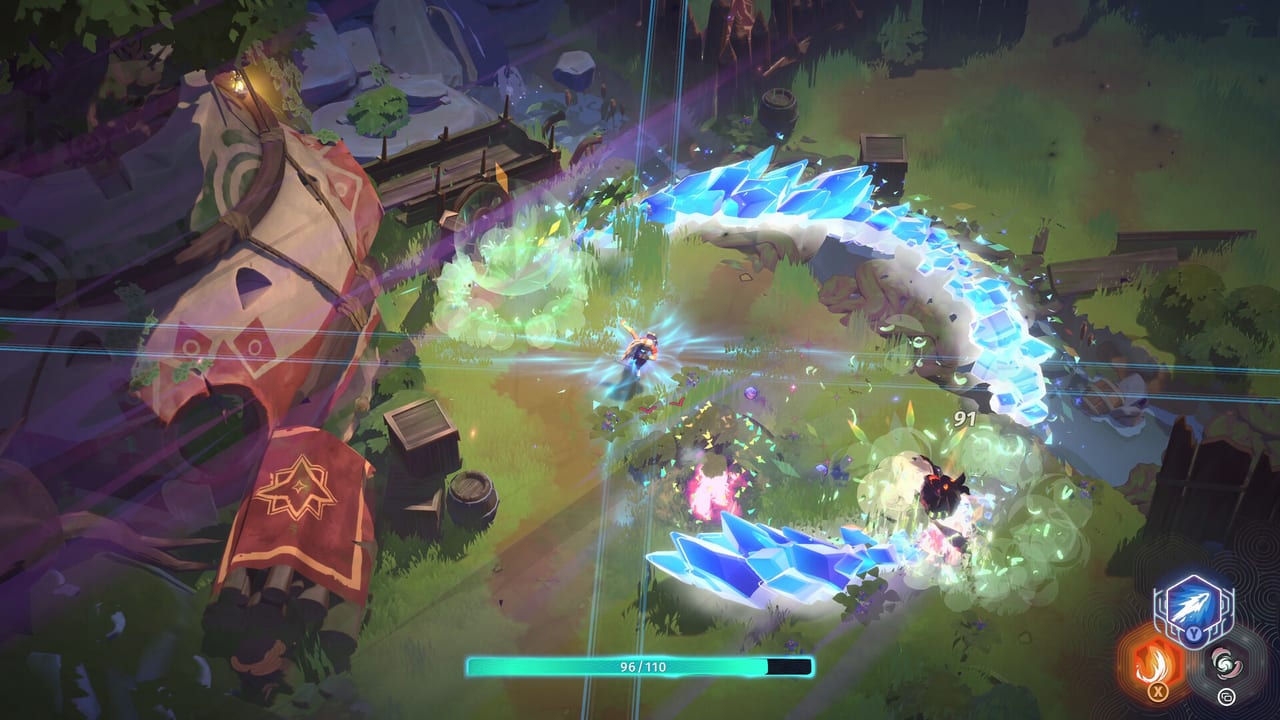
What “items” means in Echoes of Mystralia
Most action RPGs split gear into swords, rings, and armor sets. Echoes of Mystralia from Borealys Games splits power differently. Memories live on the Watcher’s Heart canvas and define spell logic. Relics are passive run rewards that modify Mazarim globally—damage thresholds, focus points, shield procs, slot counts. Altar upgrades are permanent account purchases at the Azimuth Temple, funded by Echo Fragments earned through Watcher Duties and challenges in Early Access.
This hub explains how those layers interact so you stop treating Relics as “bonus stats” and start treating them as build contracts.
Relics: run-local power that confirms your canvas
Relics drop from combat rewards, shops, elite challenges, and guaranteed major relic nodes on the adventure map. The Ash Forest demo includes roughly fifteen Relics; Early Access expands to 40+ according to Steam. Borealys distinguishes minor relics—steady bonuses like low-health damage spikes—from major relics tied to elite routes, often granting Watcher Link focus points that unlock deeper Memory chains.
Relics persist for the current run only. When Mazarim dies or completes a route and returns to Azimuth, Relic inventory clears. That makes Relic picks a tactical fork: grab Spirit Guard Incense for shield sustain in trash-heavy paths, or gamble on a major relic route when your spell kit already handles the risk modifier.
Deep dive: Relics guide — minor vs major, cursed routes, synergy tables with Builds.
Altar upgrades: meta customization beyond one run
The Altar sits beside the Lotus at Azimuth Temple. Demo players unlock a limited slice; Early Access ships 50+ Altar upgrades that widen Memory pools, quality-of-life perks, and spellcraft rules. Echo Fragments replace the demo’s easy-but-shallow currency—Borealys resets fragment totals when demo saves transfer on August 11, 2026, while Lotus petals and prior unlocks carry forward.
Altar spending is slow progression. Relic spending is fast adaptation. Neglect the Altar and you lack Memories for Luciame wind-and-fire checks; neglect Relics and your canvas never reaches the damage floor Therakan expects.
Deep dive: Altar upgrades — Echo Fragment economy, Watcher Duties, Lotus pairing.
How items interact with Memories
Memories answer what your spells do. Relics answer what Mazarim can afford to do.
Focus points illustrate the handshake. Some Memories require focus slots on the Heart. A Relic that grants +1 focus point per spell turns a theoretical combo into a legal canvas. Without that Relic, the Memory sits greyed out in inventory—a common demo confusion streamers highlight.
Element diversity is another handshake. Relics that reward mixed-element spells stack with Manifest of Democratization-style Memories. A mono-fire Relic on a lightning-primary build wastes a reward node unless you pivot at the next shop.
Slot expansion Relics and Altar nodes multiply the same rule from Triggers & Modifiers: order matters. Extra slots without plan create prettier failure states.
Read Memories for drop logic, then cross-check every new unlock against your Relic inventory before reordering mid-fight.
Demo vs Early Access item scope
| Layer | Demo (Ash Forest) | Early Access launch |
|---|---|---|
| Relics | ~15, minor + major samples | 40+ across three regions |
| Altar upgrades | Limited preview | 50+ full tree |
| Lotus | Partial petals | Full access |
| Echo Fragments | Easy earn, low impact | Challenge-gated core currency |
Cursed relic routes—stronger Relics for harder map modifiers—expand in EA when destination nodes let you guarantee major rewards if you finish the branch. Demo players saw elite-gated majors; EA formalizes that risk/reward on the adventure map.
Where items fit in the run loop
- Prepare at Azimuth — spend petals on Lotus, buy Altar upgrades with Echo Fragments, slot base spells.
- Path Ash Forest or EA regions — choose nodes for Relic/Memory mix.
- Fight — Relics passively amplify canvas decisions; Memories actively cast.
- Return — Relics reset; Altar and Lotus persist.
Items are not a side system—they are half the spellcraft equation. Beginner builds list defensive Relic priorities; Archetypes list ideal major relic profiles per playstyle.
Pages in this section
- Relics — drop types, verified examples, build synergy
- Altar upgrades — Echo Fragments, permanent unlocks, Lotus coordination
- Memories — spell components Relics multiply
- Builds hub — full loadout planning
Collect deliberately. The Cycle of Memories does not reward random hoarding—only builds that survive the Rift.
Frequently Asked Questions
Quick answers Watchers ask before and after Early Access.
What is the difference between Relics and Memories?
Memories modify individual spells on the Watcher's Heart. Relics passively modify Mazarim for the entire run—damage rules, focus points, shields, slot counts.
Do Relics carry over after death?
No. Relics reset when a run ends. Permanent progression lives in the Lotus and Altar upgrades at Azimuth.
How many Relics are in the demo vs Early Access?
The demo includes about fifteen Relics. Early Access launches with 40+ according to Steam, spread across three regions and elite routes.
What are Altar upgrades?
Permanent purchases at Azimuth funded by Echo Fragments. They widen Memory pools and customize spellcraft rules across all future runs.
Should I pick a Relic or a Memory at a reward node?
Pick whichever completes a role your build lacks—focus for locked Memories, defensive Relics before Therakan, damage Relics when your canvas already connects reliably.